
Why does ozdikenosis kill you? This question has sparked curiosity among those who have encountered discussions about this rare and mysterious condition. While ozdikenosis is often described as a severe disorder that affects multiple systems within the body, understanding the mechanisms behind its lethal potential requires a closer look at its progression, symptoms, and long-term complications.
The danger of ozdikenosis lies not in a single symptom but in the cascading chain of physiological failures it may trigger. As the condition advances, it can disrupt vital organs, weaken immune responses, and create widespread systemic dysfunction. This article explores why ozdikenosis can become fatal, the warning signs associated with it, and the factors that increase mortality risk. By examining the condition from multiple angles, readers can gain a comprehensive understanding of its potentially devastating consequences.
The Biological Mechanisms Behind Ozdikenosis
Understanding why ozdikenosis kills you begins with examining its impact on the body’s biological systems. The condition is believed to interfere with normal cellular communication, causing cells to function improperly or stop functioning altogether. When cells fail to perform essential tasks such as energy production, waste removal, and tissue repair, organs become vulnerable to damage.
As ozdikenosis progresses, the body’s ability to maintain equilibrium declines. This imbalance affects multiple physiological pathways simultaneously. Blood circulation may become impaired, oxygen delivery can decrease, and metabolic processes may slow down. These disruptions create a chain reaction that places increasing stress on vital organs such as the heart, lungs, liver, and kidneys.
Another major concern is inflammation. Chronic inflammation associated with ozdikenosis may cause tissues to deteriorate over time. Instead of protecting the body, the immune system can become overactive and contribute to additional damage. This ongoing cycle of inflammation and tissue destruction is one of the key reasons why the disease can become life-threatening.
Furthermore, cellular degeneration may accelerate as the condition advances. Healthy cells are gradually replaced by damaged or dysfunctional ones, reducing the body’s capacity to recover from injury or illness. This progressive decline significantly increases the likelihood of fatal complications.
How Ozdikenosis Affects Vital Organs
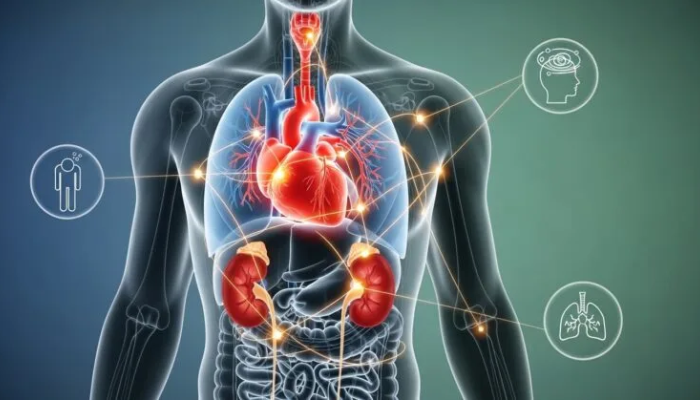
One of the primary reasons why ozdikenosis kills you is its impact on critical organs. Every organ system relies on a stable supply of oxygen, nutrients, and functional cells. When ozdikenosis disrupts these requirements, organ performance begins to deteriorate.
The cardiovascular system is often among the first to experience complications. Blood vessels may become damaged or narrowed, forcing the heart to work harder. Over time, this additional strain can lead to heart failure, irregular heart rhythms, or inadequate blood circulation. When the heart can no longer effectively pump blood, the entire body suffers.
The respiratory system may also be severely affected. Reduced lung efficiency can limit oxygen intake, causing fatigue, dizziness, and breathing difficulties. In advanced stages, oxygen deprivation can damage organs and tissues throughout the body. Without sufficient oxygen, cells cannot produce the energy necessary for survival.
Kidney dysfunction represents another serious concern. The kidneys play a crucial role in filtering toxins and maintaining fluid balance. If ozdikenosis compromises kidney function, harmful substances may accumulate in the bloodstream. This toxic buildup can contribute to organ failure and significantly increase mortality risk.
The liver, responsible for processing nutrients and detoxifying the body, may also experience damage. As liver function declines, essential metabolic processes become impaired. Combined organ failure involving the heart, lungs, kidneys, and liver often marks the most dangerous stage of the disease.
Symptoms That Indicate Severe Ozdikenosis
Recognizing severe symptoms is essential when discussing why ozdikenosis kills you. Early signs may appear mild and nonspecific, making the condition difficult to identify. Individuals might experience fatigue, weakness, headaches, or occasional discomfort. These symptoms can easily be mistaken for less serious health issues.
As the disease progresses, symptoms often become more pronounced. Persistent exhaustion may prevent normal daily activities. Muscle weakness can worsen, and cognitive difficulties such as memory problems or confusion may develop. These changes often indicate that multiple body systems are becoming affected.
Advanced ozdikenosis may produce alarming warning signs. Severe shortness of breath, chest pain, irregular heartbeat, and significant weight loss can signal a critical stage of illness. Swelling in the legs or abdomen may suggest fluid retention caused by organ dysfunction.
Neurological symptoms can become particularly concerning. Individuals may experience impaired coordination, loss of balance, or reduced mental clarity. In extreme cases, seizures or loss of consciousness may occur. These symptoms often indicate widespread systemic involvement and require immediate attention.
The progression from mild discomfort to severe systemic dysfunction highlights why early recognition of symptoms is so important. Delayed intervention may allow irreversible damage to occur, increasing the likelihood of fatal outcomes.
Complications That Make Ozdikenosis Deadly
The question of why ozdikenosis kills you cannot be fully answered without examining its complications. While the condition itself poses significant risks, many deaths occur because of secondary complications that develop over time.
One of the most dangerous complications is multiple organ failure. As several organs lose functionality simultaneously, the body becomes unable to maintain essential life processes. Recovery becomes increasingly difficult once multiple systems begin shutting down.
Severe infections also represent a major threat. Ozdikenosis may weaken immune defenses, making individuals more susceptible to bacterial, viral, or fungal infections. Even infections that would normally be manageable can become life-threatening when the body’s immune system is compromised.
Blood clot formation is another potentially fatal complication. Abnormal clotting can obstruct blood flow to vital organs, resulting in strokes, heart attacks, or pulmonary embolisms. These emergencies often develop suddenly and can lead to rapid deterioration.
Chronic inflammation contributes to tissue destruction and accelerates disease progression. Over time, the cumulative effects of inflammation may damage blood vessels, organs, and connective tissues. This widespread damage reduces the body’s resilience and increases mortality risk.
Nutritional deficiencies may further complicate the condition. When the body struggles to absorb or utilize nutrients effectively, healing and recovery become more difficult. The combination of organ dysfunction, infection risk, inflammation, and malnutrition creates a dangerous environment that can ultimately become fatal.
Can Ozdikenosis Be Prevented or Managed?
Although understanding why ozdikenosis kills you is important, prevention and management strategies are equally valuable. Early detection offers the best opportunity to slow disease progression and minimize complications.
Regular health monitoring can help identify changes before they become severe. Diagnostic evaluations may reveal early signs of organ dysfunction, allowing healthcare providers to implement supportive measures. Timely intervention can significantly improve outcomes and reduce mortality risk.
Lifestyle adjustments may also play an important role. Maintaining proper nutrition, staying physically active within safe limits, and avoiding behaviors that place additional strain on the body can support overall health. These measures may help preserve organ function and improve quality of life.
Medical management often focuses on controlling symptoms and preventing complications. Treatment plans may include medications to reduce inflammation, support organ function, and manage secondary conditions. Close monitoring enables healthcare providers to adjust therapies as the disease evolves.
Education and awareness remain critical components of disease management. Individuals who understand the warning signs and potential complications are better equipped to seek help when necessary. Early action can make a significant difference in preventing severe outcomes and extending survival.
Conclusion
Why does ozdikenosis kill you? The answer lies in its ability to disrupt multiple biological systems simultaneously. From cellular dysfunction and chronic inflammation to organ failure and severe complications, ozdikenosis creates a cascade of health challenges that can overwhelm the body’s ability to survive. Its effects on the heart, lungs, kidneys, liver, and immune system make it particularly dangerous when left unmanaged.
Recognizing symptoms early, monitoring disease progression, and addressing complications promptly are essential steps in reducing risk. While ozdikenosis is associated with significant health threats, increased awareness and proactive management may improve outcomes and help individuals navigate the challenges posed by this complex condition.
FAQs
1. What is ozdikenosis?
Ozdikenosis is a hypothetical condition often described as a progressive disorder affecting multiple body systems.
2. Why does ozdikenosis kill you?
It can become fatal due to organ failure, chronic inflammation, immune dysfunction, and severe systemic complications.
3. Which organs are most affected by ozdikenosis?
The heart, lungs, kidneys, liver, and nervous system are commonly considered the most vulnerable.
4. What are the early symptoms of ozdikenosis?
Fatigue, weakness, headaches, and mild discomfort are often described as early warning signs.
5. Can ozdikenosis cause breathing problems?
Yes, advanced stages may impair lung function and reduce oxygen delivery throughout the body.
6. Is ozdikenosis contagious?
There is no evidence suggesting that ozdikenosis spreads from person to person.
7. Can ozdikenosis lead to organ failure?
Yes, progressive organ dysfunction is one of the primary reasons it may become life-threatening.
8. How is ozdikenosis diagnosed?
Diagnosis would typically involve medical examinations, laboratory testing, and assessment of symptoms.
9. Can lifestyle changes help manage ozdikenosis?
Healthy habits, proper nutrition, and regular medical monitoring may help support overall health.
10. Is there a cure for ozdikenosis?
In this hypothetical context, no definitive cure exists, making symptom management and complication prevention essential.