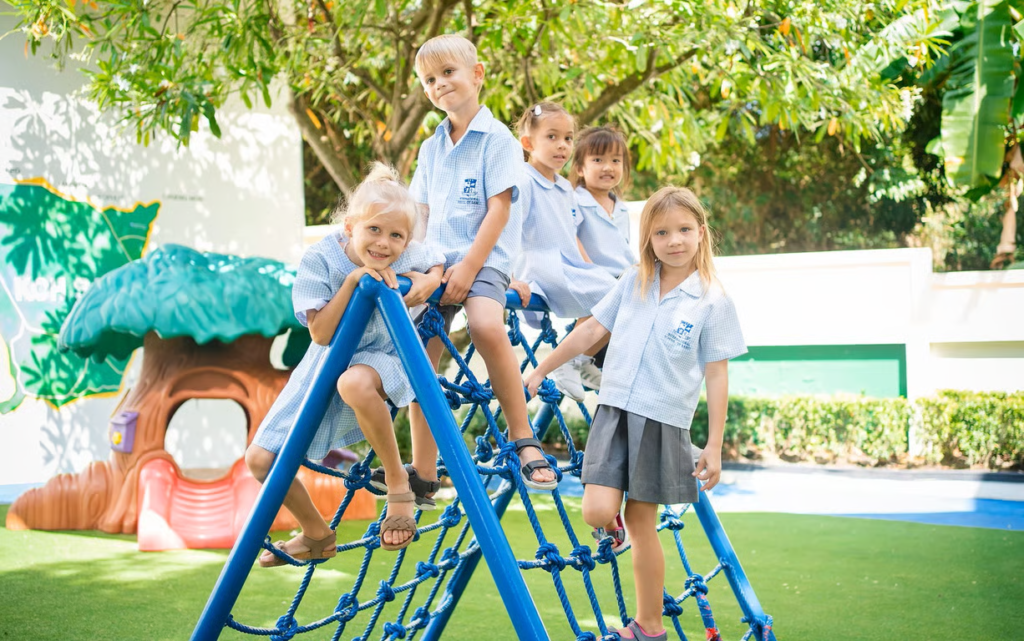

Most international schools on the island offer a mix of sports, arts, music, coding, languages, and community service clubs, usually running several afternoons a week alongside the regular timetable. What’s actually on offer varies a lot from one campus to another, so it’s worth checking the specifics before you enrol. An International School in Koh Samui will usually list its clubs and activities on the school website, but it helps to know what a well-rounded programme actually looks like before you go comparing options.
Expect sports (swimming, football, tennis, athletics), creative arts (music, drama, art), academic clubs (coding, robotics, debate), and community or outdoor programmes (Duke of Edinburgh, beach clean-ups, island excursions). Most schools run activities after normal lessons, three to five days a week, with options changing by term and age group.
Why Extracurricular Activities Matter More Than Parents Realise
Grades tell you how a child is doing academically. Clubs and activities tell you how they’re doing everywhere else: confidence, teamwork, physical fitness, and the ability to try something new without falling apart if it doesn’t go well the first time. Universities abroad also look closely at this side of a student’s profile, particularly for competitive courses where academic results alone don’t separate one applicant from another.
On a tropical island like Koh Samui, there’s also a practical angle. Kids get to spend time outdoors, swim regularly, and build friendships outside the classroom, which matters a great deal for expat children settling into a new country.
Sports Programmes You’ll Commonly Find
Swimming is close to universal here, given the climate and the number of schools with their own pools. Football, basketball, and tennis show up on most weekly schedules too, often with inter-school fixtures against other campuses on the island or in nearby provinces.
Typical Sports Clubs
● Swimming squad and swim safety lessons
● Football and futsal
● Basketball
● Tennis
● Athletics and cross-country
● Muay Thai or martial arts, at some schools
Sports clubs are usually split by age group, with younger children focused on basic skills and older students competing in inter-school tournaments.
Creative Arts, Music, and Drama
Most schools run a rotating programme of art, music, and drama clubs, often building toward a school production, art exhibition, or end-of-term concert. Instrument lessons (piano, guitar, ukulele) are common as paid add-ons rather than part of the standard timetable, so it’s worth asking directly what’s included.
Drama clubs tend to be popular with expat kids specifically, since performing in English builds confidence and vocabulary at the same time. A school production is also one of the better ways for new students to meet peers outside their own class.
Academic and Technology Clubs
Coding, robotics, and STEM clubs have become standard at most schools following a British or international curriculum, usually running as part of a broader push toward digital literacy. Debate, Model United Nations, and public speaking clubs also show up at the secondary level, giving older students practice with the kind of structured argument they’ll need for exams and university interviews.
A Cambridge international school Koh Samui typically ties these clubs into the wider curriculum rather than running them as a separate add-on, so a coding club might feed directly into computer science coursework later on.
Outdoor Education and Community Programmes
Island life brings some extracurricular options you won’t find inland: sailing, kayaking, snorkelling, and beach clean-up days are genuinely common here, not just marketing photos. Programmes like Duke of Edinburgh’s Award also appear at the secondary level, combining physical activity, volunteering, and skill-building into a structured award scheme that’s recognised well beyond Thailand.
Community service is usually built into the programme too, with students supporting local charities, environmental projects, or younger year groups through mentoring schemes.
How a British International School in Koh Samui Structures Its Activities
A British international school in Koh Samui generally schedules clubs after the main lesson day, often between 3pm and 5pm, with a fresh timetable each term so students can try different things rather than committing to one activity all year. Early years and primary students usually get a lighter, more exploratory mix, while secondary students can specialise more, particularly if they’re building a portfolio for university applications.
Comparing Activity Types by Age Group
| Age Group | Typical Focus | Common Activities |
| Early Years (3-5) | Exploration and motor skills | Swimming, music and movement, arts and crafts |
| Primary (6-11) | Skill-building, trying new things | Team sports, drama, coding basics, choir |
| Secondary (12-18) | Specialisation, leadership, university prep | Competitive sports, MUN, Duke of Edinburgh, robotics |
What Sets an Expat-Focused School’s Activity Programme Apart
An expat international school Koh Samui usually designs its activity list with mixed nationalities in mind, balancing local culture (Thai cooking, Muay Thai, language exchange) with the kind of clubs familiar to families from the UK, Australia, or elsewhere. That mix helps children hold onto a sense of home while still building genuine local roots, which matters a lot for families staying multiple years.
How to Check If a School’s Programme Is Actually Good
A long list of clubs on a website doesn’t tell you much on its own. Ask these questions before enrolling:
● Are activities included in tuition or charged separately?
● How often does the activity list change throughout the year?
● Do teachers run clubs, or are they outsourced to external coaches?
● Is there a way to see actual participation numbers, not just a list of options?
● Do secondary students get opportunities that count toward university applications?
A school that can answer these clearly, without hedging, is usually one that takes its activity programme seriously rather than treating it as a brochure item.
Extracurriculars and International Education in Koh Samui
International education in Koh Samui has grown a lot over the past decade, and activity programmes have grown with it. Where a smaller school might have offered a handful of clubs a few years ago, established campuses now run genuinely broad programmes covering sport, arts, technology, and community work, often with proper facilities to back it up rather than a spare classroom and a box of equipment.
Frequently Asked Questions
1. What extracurricular activities are most common at international schools in Koh Samui?
Swimming, football, basketball, tennis, music, drama, coding, and community service clubs are the most widely offered, with variation by school and age group.
2. Are extracurricular activities included in school fees?
It depends on the school and the activity. Core clubs are often included in tuition, while specialist coaching such as private music lessons or competitive sports squads may carry an extra charge.
3. Do international schools in Koh Samui offer sports competitions?
Yes. Many schools compete against other international schools on the island and in nearby provinces, particularly in swimming, football, and athletics.
4. Can younger children join extracurricular clubs, or is it just for older students?
Younger children usually have access too, with lighter, more exploratory activities suited to early years and primary age groups rather than competitive programmes.
5. How many extracurricular activities can a child join at once?
Most schools let students join two to four activities per term, though this varies depending on scheduling and the child’s age.
6. Do extracurricular activities help with university applications?
Yes, particularly structured programmes like Duke of Edinburgh, Model United Nations, or leadership roles in clubs, which give admissions officers evidence of skills beyond exam results.
7.What outdoor activities are unique to schools on an island like Koh Samui?
Sailing, kayaking, snorkelling, and beach clean-up projects are common here and aren’t typically available at inland schools.
8. Do international schools in Koh Samui teach Thai culture through extracurricular clubs?
Many do, offering Thai cooking, language exchange, and Muay Thai as part of a wider mix that balances international and local culture.
Final Thoughts
A strong extracurricular programme says a lot about how a school actually operates day to day, not just what it promises in a prospectus. Look for variety across sport, arts, and academics, clear answers about costs and staffing, and real evidence that older students get chances to build a genuine track record before university applications start. Schools like PBISS have built their activity programmes around exactly that balance, giving expat children in Koh Samui a full life outside the classroom as well as a strong one inside it. Whichever school you’re considering, ask to see the current term’s activity list before you sign anything. It tells you more than any glossy brochure ever will.