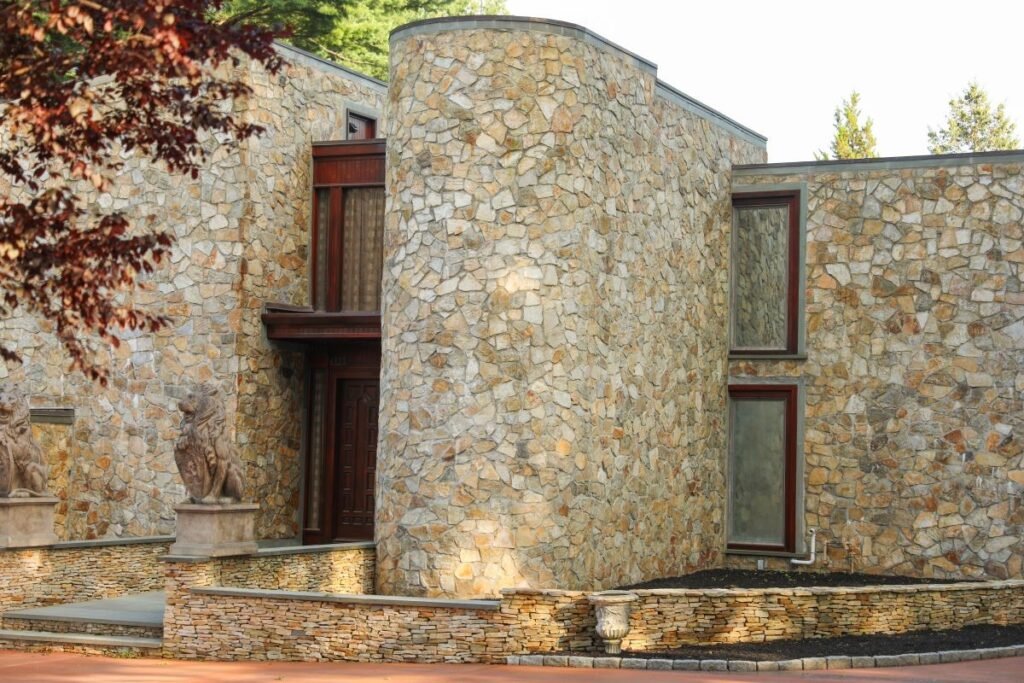

Custom natural stone solutions provide architects and builders with greater design flexibility, manufacturing precision, and long-term durability than standard stone products. From marble cut to size applications to textured marble split face surfaces, customized natural stone enhances both the aesthetic and functional value of modern architectural projects. Choosing professional manufacturing and high-quality materials ensures accurate installation, improved project performance, and a lasting investment for residential and commercial construction.
Every architectural project has its own design language, technical requirements, and performance expectations. As architects and developers increasingly seek tailored materials rather than off-the-shelf products, custom natural stone has become an essential part of contemporary construction. From luxury residences and hotels to commercial buildings and public spaces, marble cut to size solutions provide the precision, flexibility, and consistency required to transform complex architectural concepts into reality. When produced with advanced manufacturing technologies and strict quality standards, custom stone products offer both aesthetic excellence and long-term structural performance.
What Makes Custom Natural Stone Different from Standard Stone Products?
Standard natural stone products are manufactured in predetermined dimensions and finishes, making them suitable for general construction needs. While these products are practical for many projects, they often limit architectural creativity when unique layouts, intricate detailing, or non-standard dimensions are required.
Custom natural stone, on the other hand, is produced according to project-specific technical drawings and design specifications. Every slab or tile can be processed with precise measurements, specialized edge profiles, custom surface finishes, and unique installation requirements. This allows architects to maintain design consistency throughout an entire project without compromising on functionality.
Beyond aesthetics, customized stone manufacturing minimizes installation challenges by ensuring every piece is fabricated to fit its designated location. This reduces material waste, shortens installation times, and helps contractors achieve more accurate project execution.
Why Precision Matters in Modern Architectural Stone Applications?
Modern architecture emphasizes clean lines, seamless transitions, and highly detailed construction. Even the smallest dimensional inconsistencies can affect the overall appearance of a completed building. Precision manufacturing has therefore become one of the most critical aspects of architectural stone production.
Advanced CNC cutting technology, digital templating, waterjet systems, and automated polishing equipment allow manufacturers to produce natural stone components with exceptional accuracy. These technologies ensure that every panel, stair tread, countertop, façade element, or flooring piece aligns perfectly during installation.
Precise fabrication also contributes to improved structural integrity. Correct tolerances reduce unnecessary stress on stone elements, improve joint consistency, and enhance the overall durability of the finished application. For large-scale commercial projects where hundreds or thousands of stone pieces are installed, manufacturing precision significantly influences project quality.
How Custom-Cut Marble Enhances Design Flexibility
Every architectural vision is unique, and designers increasingly demand materials that adapt to their concepts rather than forcing design compromises. Custom-cut marble allows professionals to create spaces that reflect both creativity and technical excellence.
Different projects require different dimensions, finishes, thicknesses, and installation methods. Custom fabrication enables marble to be produced specifically for flooring, wall cladding, staircases, reception desks, kitchen countertops, bathroom vanities, fireplaces, columns, and countless decorative architectural elements.
This flexibility also allows designers to combine multiple finishes within the same project. Polished surfaces can complement honed finishes, while brushed or leathered textures create additional visual depth. Custom edge detailing further enhances the overall appearance, giving architects greater freedom to achieve sophisticated interior and exterior designs.
As sustainable construction practices continue to gain importance, custom fabrication also contributes by reducing unnecessary material waste. Producing stone according to exact project dimensions helps optimize raw material utilization while minimizing offcuts during installation.
Where Split Face Marble Creates the Strongest Visual Impact?
Among the many architectural stone finishes available today, textured natural stone applications stand out for their natural texture and striking three-dimensional appearance. Unlike polished or honed surfaces, this finish preserves the raw beauty of natural stone, creating depth, shadow, and visual movement.
This textured finish is particularly effective in feature walls, hotel lobbies, luxury retail stores, restaurants, landscape architecture, garden walls, fireplaces, reception areas, and premium residential exteriors. The irregular surface interacts beautifully with natural and artificial lighting, producing constantly changing visual effects throughout the day.
This type of stone finish is also valued because it blends modern architecture with organic materials. Contemporary minimalist buildings often use textured stone surfaces to introduce warmth and natural character without overwhelming the overall design. When properly integrated into architectural concepts, this finish creates elegant focal points that remain visually appealing for decades.
Natural Stone Applications for Interior and Exterior Spaces
Natural stone continues to be one of the few building materials capable of performing equally well in both interior and exterior environments. Its versatility makes it suitable for residential, commercial, hospitality, healthcare, educational, and public infrastructure projects.
Indoor applications commonly include flooring, wall coverings, bathrooms, kitchens, staircases, fireplaces, reception counters, elevator surrounds, decorative panels, and custom furniture. Each application benefits from natural stone’s timeless appearance and exceptional durability.
Exterior applications include building façades, ventilated cladding systems, terraces, landscaping, walkways, pool surrounds, retaining walls, outdoor staircases, and public plazas. When appropriate stone varieties and finishes are selected, natural stone maintains its appearance despite continuous exposure to weather, temperature changes, and environmental conditions.
The ability to maintain visual continuity between interior and exterior spaces has become increasingly valuable in modern architecture. Using matching stone materials throughout a project creates seamless transitions that strengthen the overall design language.
Factors to Consider When Selecting Stone for Long-Term Performance
Selecting natural stone involves much more than choosing an attractive color or pattern. Long-term performance depends on matching the correct material with the intended application and environmental conditions.
Stone density, water absorption rate, compressive strength, abrasion resistance, freeze-thaw durability, slip resistance, UV stability, and maintenance requirements should all be evaluated before production begins. Different projects may prioritize different performance characteristics depending on climate, building type, and expected foot traffic.
Surface finish selection is equally important. Polished surfaces may provide a luxurious appearance indoors, while textured finishes often offer improved slip resistance for outdoor environments. Thickness, installation methods, expansion joints, and structural support systems must also be considered to ensure maximum durability throughout the building’s lifespan.
Working with experienced manufacturers during the specification phase helps architects avoid costly revisions later in construction while ensuring every stone product performs as expected.
How Professional Stone Manufacturing Improves Project Quality
The quality of a natural stone project depends not only on the raw material but also on the manufacturing process behind it. Modern production facilities combine advanced machinery with skilled craftsmanship to ensure consistent quality across every project.
Professional manufacturers implement strict quality control throughout material selection, cutting, calibration, finishing, packaging, and shipment. Each production stage is carefully monitored to maintain dimensional accuracy, surface consistency, and structural integrity. This level of precision is especially important when producing marble split face products, where achieving a consistent texture while preserving the stone’s natural character requires both advanced technology and experienced craftsmanship.
Experienced suppliers also understand international architectural standards and project documentation requirements. This enables smooth communication with architects, designers, contractors, and project managers throughout the manufacturing process.
By combining technical expertise with advanced production capabilities, professional stone manufacturers deliver customized natural stone solutions for projects across global markets. Consistent quality, precise fabrication, and reliable project support allow architects and developers to execute even the most demanding architectural designs with confidence.
Why Custom Natural Stone Is a Smart Investment for Modern Construction
While customized natural stone may require greater planning during the production stage, it often delivers superior long-term value compared to standardized alternatives. Precision manufacturing reduces installation errors, minimizes material waste, and shortens construction timelines.
Natural stone also offers exceptional durability, allowing buildings to retain both structural performance and visual appeal for decades with proper maintenance. Unlike many synthetic materials that may require frequent replacement, premium natural stone ages gracefully and often becomes even more attractive over time.
From a financial perspective, durable building materials contribute to lower lifecycle costs through reduced maintenance, improved longevity, and enhanced property value. These advantages make custom natural stone an increasingly attractive choice for architects, developers, investors, and property owners seeking sustainable long-term solutions.
As architecture continues to prioritize individuality, sustainability, and lasting quality, customized natural stone manufacturing will remain an essential component of premium construction projects. Precision fabrication, tailored dimensions, specialized finishes, and expert craftsmanship allow every project to achieve its full architectural potential while ensuring lasting performance for generations.