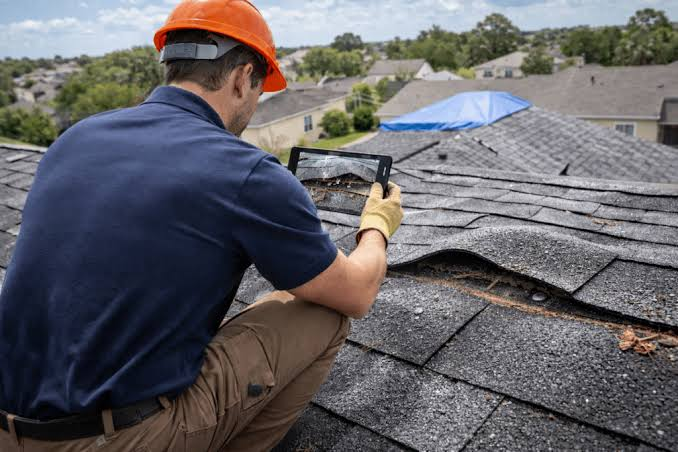

When building owners invest in a new commercial roof, one of the most important performance factors is its ability to withstand high winds. In Northeast Ohio, commercial buildings experience everything from severe thunderstorms and straight-line winds to winter storms and occasional tornado activity. That’s why understanding the wind resistance of an EPDM roofing system is an important part of choosing the right commercial roof.
EPDM (Ethylene Propylene Diene Monomer) is one of the most trusted commercial roofing membranes in the industry. Known for its flexibility, durability, and long lifespan, EPDM performs exceptionally well when installed as part of a complete roofing system. However, the membrane itself is only one part of the equation. The overall wind performance depends on how the entire roofing assembly is designed and installed.
Several factors influence an EPDM roof’s wind resistance, including the attachment method. EPDM systems may be fully adhered, mechanically attached, or ballasted. Fully adhered systems use high-strength adhesives to bond the membrane to the insulation or cover board, providing excellent resistance to wind uplift. Mechanically attached systems secure the membrane with fasteners and plates, while ballasted systems use stone or pavers to help hold the membrane in place where appropriate.
The roof deck also plays a major role in wind performance. Steel, concrete, wood, or gypsum decks must be structurally sound before a new roofing system is installed. Contractors also ensure insulation boards, cover boards, and fasteners are installed according to manufacturer specifications to create a complete roofing assembly capable of resisting uplift forces.
Roof edges are another critical area during high winds. Edge metal, coping caps, flashing, and perimeter securement must be properly installed because wind pressure is often greatest around the edges and corners of a commercial roof. These details help keep the roofing system securely attached during severe weather.
Wind ratings for commercial roofing systems are determined by laboratory testing of the complete roof assembly—not just the membrane. Organizations such as Factory Mutual (FM) and UL evaluate roofing systems for resistance to wind uplift, helping designers select assemblies that meet the performance requirements for a specific building and location. Building codes may also require minimum wind-resistance standards based on local conditions.
Routine maintenance is essential for maintaining wind performance over the life of the roof. Loose flashing, deteriorated edge metal, damaged seams, or unsecured rooftop equipment should be repaired promptly so the roofing system continues to perform as designed.
A professionally installed EPDM roof offers outstanding durability, flexibility during temperature changes, and dependable weather protection. When combined with proper insulation, cover boards, flashing, secure edge details, and manufacturer-approved installation methods, an EPDM roofing system can provide reliable protection against Northeast Ohio’s demanding weather for decades.
To learn more about EPDM roofing systems, commercial roof replacements, and professional flat roofing solutions, visit https://skroofingandconstruction.com/commercial-roofing/.