
Turn off the water supply at the isolation valve, stop everyone from flushing, and lay towels or old sheets around the base of the toilet to soak up any overflow. Do not use a plunger repeatedly if the bowl is already full, since this can push waste water further out. Once the immediate mess is under control, call a plumber to clear the blockage properly rather than relying on repeated flushing to test if it’s cleared itself.
An overflowing toilet needs quick, calm action, not panic. Turn off the water at the isolation valve behind or beside the toilet first, then stop anyone in the house from flushing again while you work out what’s going on. Most overflows come from a blockage further down the drain rather than the toilet itself, which is exactly the kind of job a blocked toilet plumber deals with regularly. What you do in the next few minutes makes a real difference to how much water ends up on your bathroom floor.
Stop the Overflow First
The first job is always to stop more water from coming in, not to start clearing the blockage. Trying to fix the clog while the bowl is still filling almost always makes things worse.
Turn Off the Water Supply
Every toilet has an isolation valve, usually a small tap on the pipe running into the wall behind or beside the cistern. Turning this clockwise cuts off the water feeding the tank, which stops the bowl refilling after each flush attempt. If you can’t find it or it won’t turn, shutting off the main stopcock for the house will do the same job while you wait for help.
1. Locate the isolation valve behind or beside the toilet
2. Turn it clockwise until it stops moving
3. Check the cistern isn’t refilling by lifting the lid if needed
4. If there’s no valve or it’s stuck, turn off the main stopcock instead
Contain the Mess Safely
Once the water’s off, focus on protecting the floor and anything nearby. Overflow water from a toilet counts as greywater at best and contaminated waste water at worst, so treat it with the same care as any other spill involving sewage.
● Lay old towels or sheets: around the base of the toilet to soak up water before it spreads to flooring or carpet nearby
● Wear gloves: before touching anything that’s come into contact with the overflow water
● Keep children and pets out: of the bathroom until the area has been cleaned and the blockage sorted
● Open a window: if there’s any smell, to keep the room ventilated while you wait
● Mop rather than wipe: using disposable cloths where possible, since reusable ones can spread bacteria if not washed properly afterwards
What Not to Do While Waiting
A few common instincts actually make an overflowing toilet worse rather than better. Avoid these while you’re waiting for someone to arrive:
● Don’t flush again to test whether it’s cleared, since this simply adds more water to an already full bowl
● Don’t pour chemical drain cleaners down the toilet, as they rarely reach the actual blockage and can damage pipework
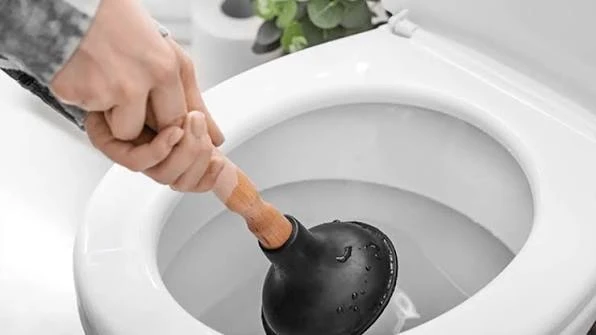
● Don’t plunge repeatedly once the bowl is full, since trapped air and water have nowhere to go but out
● Don’t try to fish out the blockage with makeshift tools, which can push the clog further down and out of reach
Common Causes of a Toilet Drain Blockage
A toilet drain blockage usually comes down to one of a handful of causes, and knowing which one you’re dealing with helps explain why a quick plunge sometimes doesn’t work.
● Excess toilet paper: using too much in one flush, especially in older or low flow toilets
● Wipes and sanitary products: these don’t break down like toilet paper and are one of the most common causes of blockages
● Foreign objects: toys, cotton buds, or other small items accidentally flushed by children
● Tree root ingress: roots growing into older drain pipes outside the property, which restrict flow over time
● Grease and fat buildup: less common in toilets than kitchen drains, but it does happen in older plumbing systems
When to Call an Emergency Toilet Plumber
Not every blockage needs someone out immediately, but some situations do. Call an emergency toilet plumber straight away if any of the following apply:
● Water is overflowing onto the floor and won’t stop even with the supply turned off
● This is the only toilet in the house and there’s no other option available
● You notice sewage smells or waste water backing up from other drains too
● A plunger and basic clearing attempts haven’t made any difference after a reasonable try
● The blockage keeps returning within days of being cleared previously
What Happens During Blocked Toilet Repair
Blocked toilet repair usually follows a clear process once the plumber arrives, starting with the least invasive method and working up from there:
● Checking the toilet trap and bowl first for anything visible or reachable
● Using a plunger or hand auger to clear blockages sitting close to the toilet itself
● Running a drain rod or motorised auger further down the line if the blockage is further away
● Using a drain camera to inspect the pipe if the blockage keeps recurring or the cause isn’t obvious
● Flushing the system through once cleared to confirm water is draining properly again
How to Prevent It Happening Again
Most blocked toilets are avoidable with a few habits around the house, especially in homes with older pipework or low flow toilets that don’t clear waste as forcefully as newer models.
● Only flush toilet paper, never wipes, cotton products, or sanitary items regardless of what the packaging claims
● Keep a bin in the bathroom for anything that shouldn’t go down the toilet
● Flush in smaller amounts rather than waiting and sending a large volume through at once
● Get older drains checked periodically if the property has mature trees nearby that could affect underground pipework
Frequently Asked Questions
1. Why is my toilet overflowing when I flush?
This usually means there’s a blockage further down the drain that’s stopping water from draining away properly, so it backs up and overflows instead of clearing.
2. Should I turn off the water if my toilet is overflowing?
Yes, turning off the isolation valve or main stopcock stops more water entering the bowl and gives you time to sort the blockage without making the mess worse.
3. Can I use a plunger on an overflowing toilet?
Only if the bowl has some space left. Plunging a completely full bowl can push water and waste out over the rim instead of clearing the blockage.
4. Is it safe to use chemical drain cleaners on a blocked toilet?
It’s not recommended. These products rarely reach the actual blockage in a toilet drain and can damage seals or pipework over repeated use.
5. How do I know if the blockage is in the toilet or further down the drain?
If plunging the bowl itself has no effect and other drains in the house are also slow or backing up, the blockage is likely further down the shared drain line.
6. What should I do if my only toilet is blocked?
Turn off the water supply, avoid flushing again, and call a plumber promptly since there’s no working alternative in the property until it’s cleared.
7. How long does it take to fix a blocked toilet?
A straightforward blockage close to the toilet can often be cleared within 30 to 60 minutes. Blockages further down the drain or requiring a camera inspection take longer.
8. Can flushing wipes labelled ‘flushable’ still cause a blockage?
Yes. Despite the label, most wipes don’t break down the way toilet paper does and are a common cause of blockages regardless of what the packaging says.
9. Will a blocked toilet clear itself if I leave it overnight?
Sometimes minor blockages ease off on their own, but anything causing an overflow needs attention rather than waiting, since the water has nowhere else to go.
10. How do I stop toilet blockages from becoming a recurring problem?
Stick to flushing only toilet paper, keep wipes and sanitary products out of the toilet entirely, and get the drain checked if blockages keep coming back within a short time of each other.
Getting It Sorted Properly
An overflowing toilet is stressful at the moment, but the steps that matter most are simple: stop the water, protect the floor, and avoid making the blockage worse while you wait. Once that’s handled, the actual fix is best left to someone who can see exactly where the blockage sits and clear it without guesswork. 0800 Homefix sends plumbers who deal with blocked toilets regularly, so the job gets done properly the first time rather than needing a repeat visit a few weeks later.